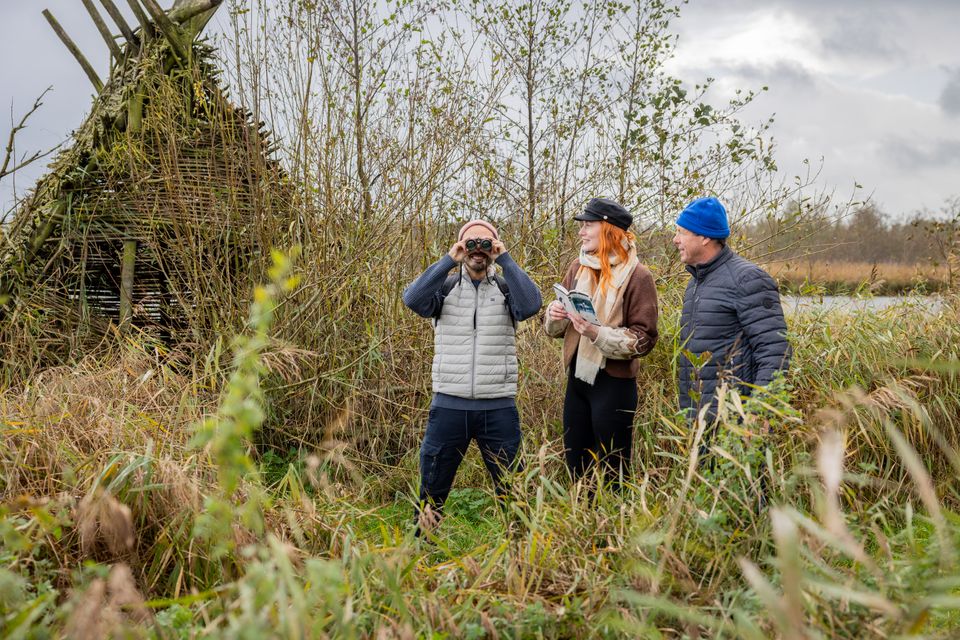
National landscape Noardlike Fryske Wâlden
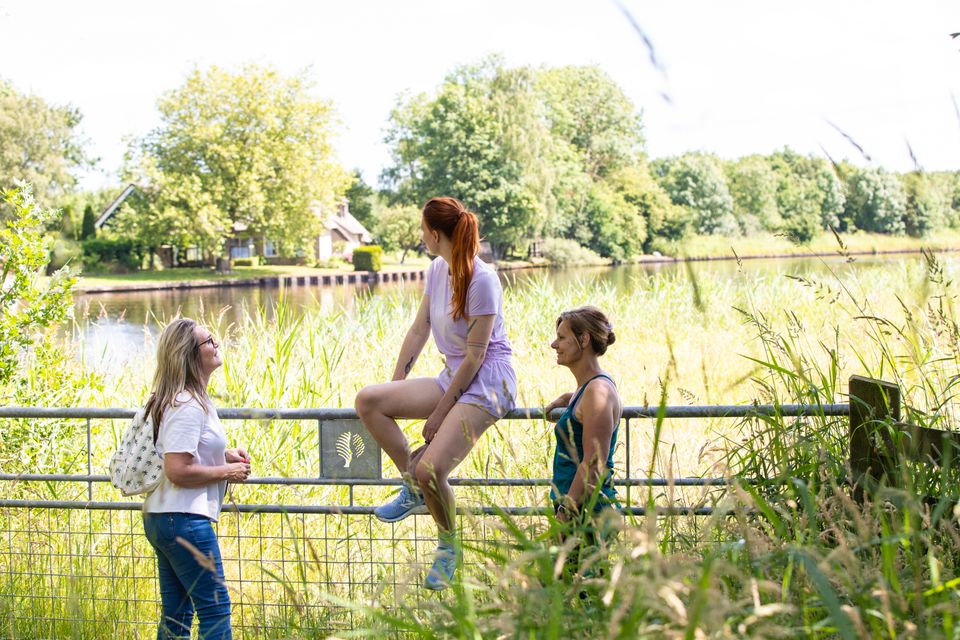
Noardlike Fryske Wâlden: Where Farming Meets Nature
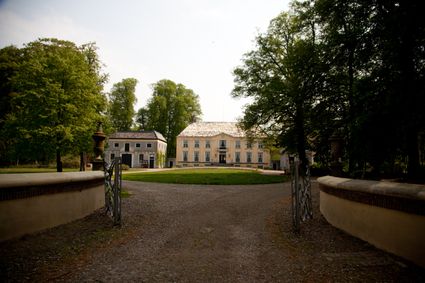
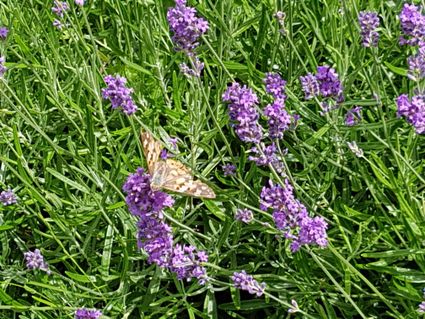
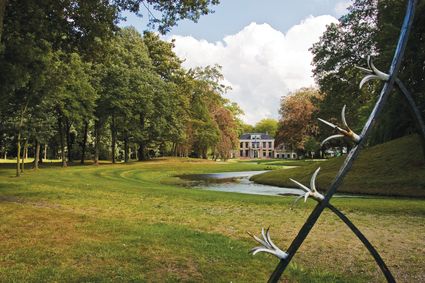
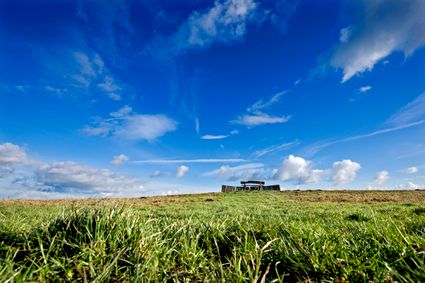
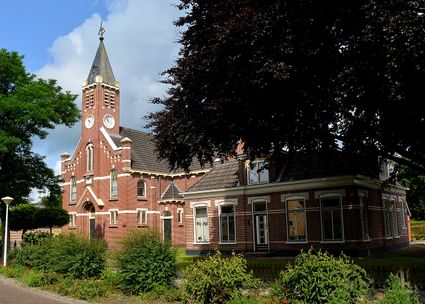
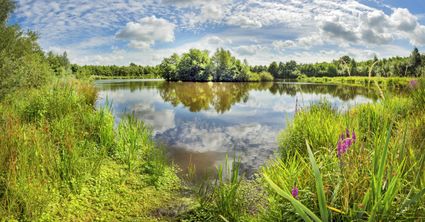
If you think of farming as mainly livestock and arable land, with flat fields stretching as far as the eye can see, then you're in for a surprise in the Noardlike Fryske Wâlden National Landscape. Sustainable and nature-inclusive farming before it was even a term! Here, farmers care for the landscape, and you can feel and see that harmony in everything: the rich tapestry of alder hedges and wooded banks, beautiful sandy paths, rolling meadows, and pingoes from the Ice Age. It's no wonder that many nobles chose to build their country houses in these woods.
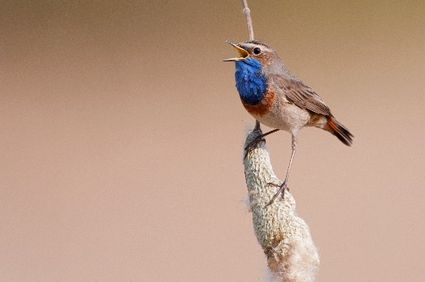
Take your binoculairs with you; over more than 250 species of birds can be spotted here!
Activities
-
Cultural and Historical Centre De Schierstins
Cultural and Historical Centre De Schierstins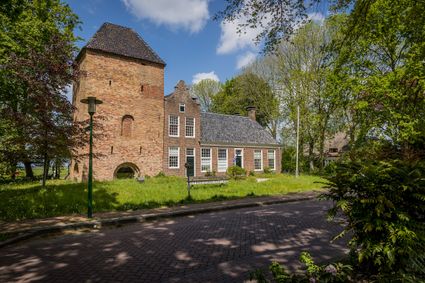
-
Seventy evacuees from Arnhem and Limburg
Seventy evacuees from Arnhem and Limburg
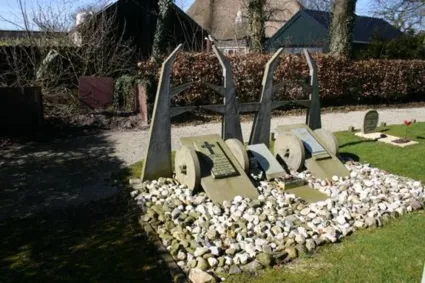
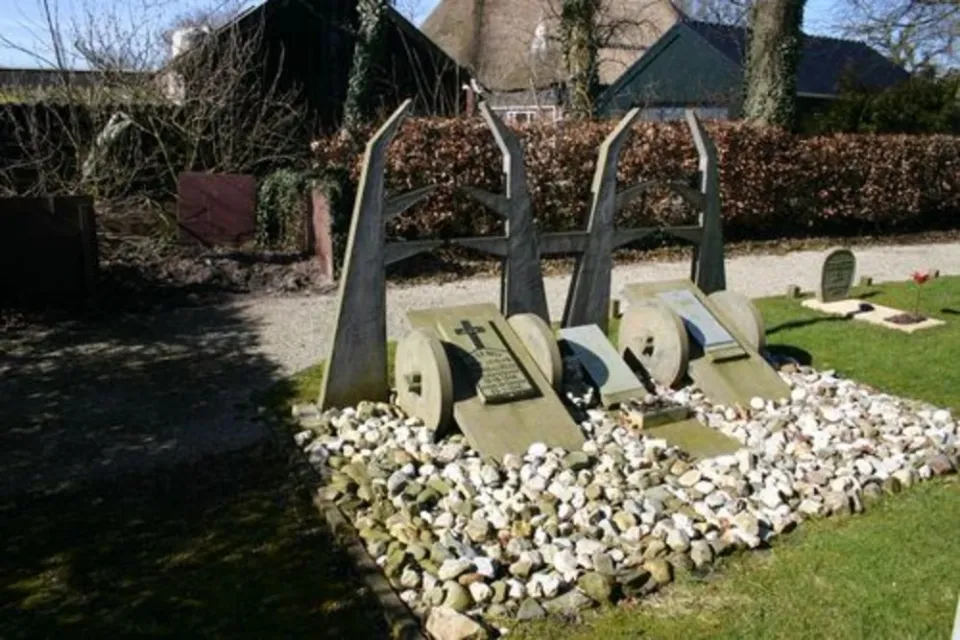
The grave monument in Gytsjerkwas erected in memory of Maria v/d Heuij. Maria was one of seventy evacuees from Arnhem and Limburg who arrived in Gytsjerk on 22 January 1945. Maria died a day later, just a few months old. The harsh conditions during the trip had proved fatal to her. Maria did not live to see the liberation. Fortunately, many of the other evacuees with whom she undertook the journey did.
Symbolism
The monument's spiritual father, artist Klaas Bokma, chose two carts because this was the means of transport often used by evacuees. The four withered trees symbolise death. The cross is not only a symbol of the Christian faith, but also a reminder of the sacrifice made by war victims for a life of freedom.
The oldest pupils of Ichtus and Thrimwalda primary schools take care of this monument.
-



Food and beverage
-
Cultural and Historical Centre De Schierstins
Cultural and Historical Centre De Schierstins -
Seventy evacuees from Arnhem and Limburg
Seventy evacuees from Arnhem and Limburg
The grave monument in Gytsjerkwas erected in memory of Maria v/d Heuij. Maria was one of seventy evacuees from Arnhem and Limburg who arrived in Gytsjerk on 22 January 1945. Maria died a day later, just a few months old. The harsh conditions during the trip had proved fatal to her. Maria did not live to see the liberation. Fortunately, many of the other evacuees with whom she undertook the journey did.
Symbolism
The monument's spiritual father, artist Klaas Bokma, chose two carts because this was the means of transport often used by evacuees. The four withered trees symbolise death. The cross is not only a symbol of the Christian faith, but also a reminder of the sacrifice made by war victims for a life of freedom.
The oldest pupils of Ichtus and Thrimwalda primary schools take care of this monument.
-
Stay
-
Cultural and Historical Centre De Schierstins
Cultural and Historical Centre De Schierstins -
Seventy evacuees from Arnhem and Limburg
Seventy evacuees from Arnhem and Limburg
The grave monument in Gytsjerkwas erected in memory of Maria v/d Heuij. Maria was one of seventy evacuees from Arnhem and Limburg who arrived in Gytsjerk on 22 January 1945. Maria died a day later, just a few months old. The harsh conditions during the trip had proved fatal to her. Maria did not live to see the liberation. Fortunately, many of the other evacuees with whom she undertook the journey did.
Symbolism
The monument's spiritual father, artist Klaas Bokma, chose two carts because this was the means of transport often used by evacuees. The four withered trees symbolise death. The cross is not only a symbol of the Christian faith, but also a reminder of the sacrifice made by war victims for a life of freedom.
The oldest pupils of Ichtus and Thrimwalda primary schools take care of this monument.
-